Good (Chocolate) Tempering!
Good (Chocolate) Tempering!
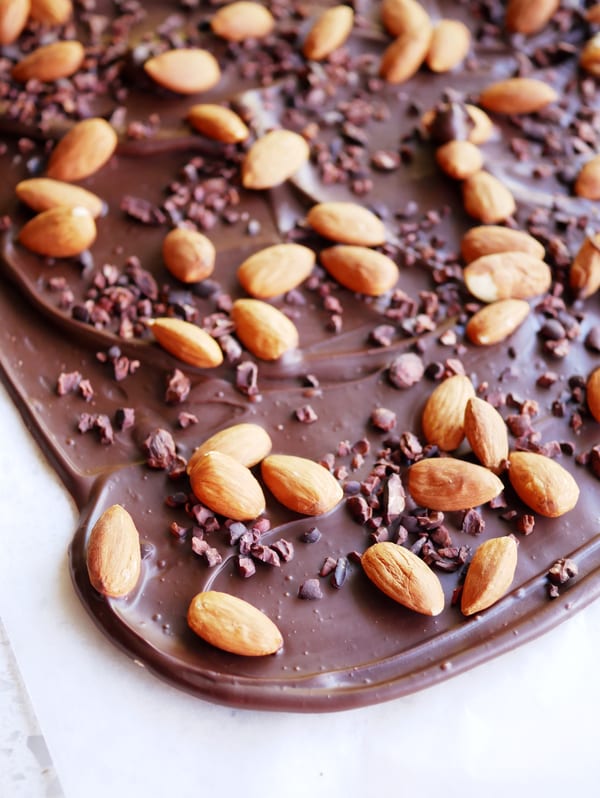
I only need chocolate on days that end in 'y'. You?
“Tempering” refers to a three-step heating, cooling, and reheating process that encourages cocoa fat to crystallise in a way that produces all the qualities we value in a beautiful chocolate bar: its glossy surface; its snappy hardness; and the fact that it resists melting when held in your hand.
Tempering is tricky because cocoa fat doesn’t just crystallise in one way; there are six different crystal arrangements that can form when the fat is melted and cooled, and only one arrangement—Form V (Beta) crystals—produces these desirable qualities. So at each stage in the process, specific temperature ranges have to be hit and maintained in order to encourage the correct crystal arrangement to form.
The optimal temperature ranges for tempering depend on the composition of cocoa solids, cocoa fat, and sugar in the chocolate being tempered, but for all chocolate, there are three target temperature ranges. (The ranges may overlap because they encompass different kinds of chocolate.)
Melting temperature (45 °C / 113 °F to 55 °C / 131 °F ): The highest temperature in the process; the temperature at which all cocoa crystals in the chocolate are melted.
Crystallization temperature (26 °C / 79 °F to 29 °C / 84 °F ): The lowest temperature in the process; the temperature at which cocoa crystals begin to form. This phase in the process is also called “pre crystallisation.”
Working temperature (28 °C / 82 °F to 32 °C /90 °F ): Slightly higher than the crystallisation temperature, the working temperature is high enough to melt other crystal arrangements, but not so high that it melts beta crystals. The working temperature also leaves the chocolate fluid and “workable.”
(It’s important to note that unless you have a professional chocolate tempering machine at your disposal, you must work quickly with chocolate when it is at its working temperature.)
There are essentially three paths to working with chocolate so that it is tempered properly. In all cases, it’s best to work with tempered, high-quality chocolate—composed of cocoa fat, cocoa solids, sugar, and little else. Chocolate bars, chocolate chips, callets, and wafers are all tempered chocolate; all commercial chocolate products you find at the store consist of tempered chocolate.
The first is to work with already tempered chocolate and heat it to a temperature that is high enough to soften the chocolate, but not so high as to melt the beta crystals—about 32 °C/ 90°F (although, again, this depends on the type of chocolate you are working with.)
The second is to melt tempered chocolate and then put it through the full tempering process, cooling it (and agitating it while it cools), then reheating it to a working temperature.
The third is to split up your tempered chocolate and melt some of it, then add in the remaining unmelted chocolate, a process called “seeding.” The unmelted chocolate will encourage the formation of beta crystals, but it also speeds up the rate at which the melted chocolate will hit the crystallization temperature.
Follow our Thermomix tempering method for great results every time.
See below literally a couple of the 100's of chocolate recipes we have on here, because don't forget, chocolate is a health food!

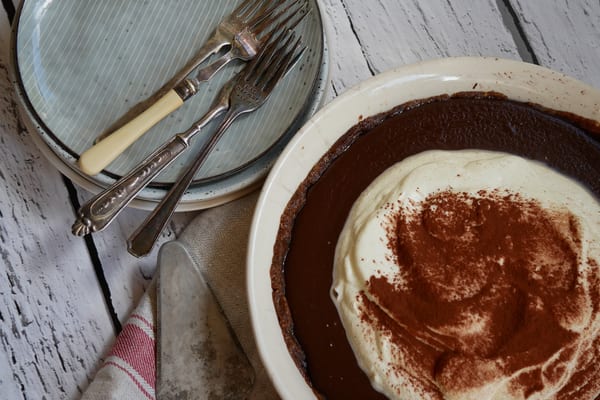
The Insider Club is your go to for all things chocolate
More from Chocolate



Tenina Holder
Tenina Holder is a wife, mother of five and grandmother of nine, who started cooking in the olden days before Thermomix was even a thing.
Tenina has become the premium go to source for all Thermomix expertise and of course fresh and easy recipes that work. Her cooking classes and foodie trips are sold out in literally hours, her cookbooks appear on the Australian best seller lists and her social reach is in the millions. Her Insider Club is the most fun you can have with a Thermomix and you really should join her! She believes chocolate, butter and salt are health foods. Her food positivity mantra is, eat everything, just not all at once!