Sourdough Troubleshooting: Fixing Common Problems with Starters, Discards, Flours & Bakes
Sourdough Troubleshooting: Fixing Common Problems with Starters, Discards, Flours & Bakes
Sourdough is part science, part art, and a whole lot of patience. When everything goes right, it's magical, but when it doesn’t, it can be frustrating. Whether your starter is acting up, your dough is being stubborn, or your loaf didn’t rise the way you hoped, this guide is here to help. We would like to claim that our Lazy Sourdough Course is fail proof, but sourdough has a reputation for being anything but. I am still learning about it years on.
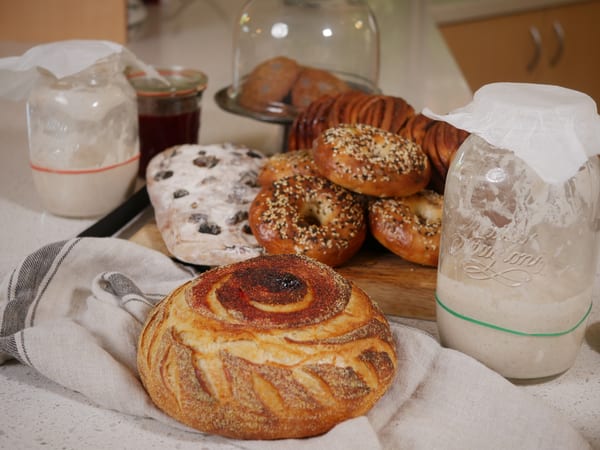
🔬 The Starter Struggles
Your sourdough journey begins here. A healthy starter is the foundation of a successful loaf.
1. Starter Isn’t Bubbling or Rising
Possible Causes:
Temperature too cold
Infrequent feeding
Using chlorinated water or bleached flour
Fixes:
Move the starter to a warmer spot (ideally 22–26°C).
Feed daily at consistent ratios (1:1:1 by weight is a good baseline).
Use filtered or dechlorinated water.
Switch to unbleached, organic flour—rye and whole wheat often give starters a boost. I highly recommend using rye flour for your starter. I get mine from Risen Flour (they ship nationwide) and can literally have a new starter active in less than a week.
2. Starter Smells Bad (like cheese, socks, or rot)
Possible Causes:
Starter is starving
Contamination from dirty utensils or jar
Fixes:
Discard and feed more frequently.
Always use clean tools and containers.
Smells like acetone or vinegar? That’s just hunger. A few good feeds usually fix it.
3. Hooch (dark liquid) Forms on Top
Possible Causes:
Starter is too hungry
It's been left too long between feedings
Fixes:
Pour off the hooch and feed.
Try feeding twice daily if room temp is warm or if you’re using a high hydration starter. It will be happy and healthy in no time.
🧪 Dealing with Discard
Discard doesn’t have to be waste—use it wisely or reduce how much you generate.
1. Too Much Discard
Fixes:
Reduce the size of your starter. (Give some away to a sourdough friend!)
Switch to a maintenance ratio like 5g starter, 25g flour, 25g water.
Use discard in pancakes, crackers, pizza bases, or homemade cereal.
2. Discard Smells Weird or Has Mold
Fixes:
Gray or black hooch is okay. Mold (fuzzy, green, pink) is not. If in doubt, throw it out and start again.
Store discard in the fridge and use within a week.
Keep discard in a clean, airtight jar to prevent contamination.
I personally don't keep discard unless I use it the same day as I discard. It is tempting to try and 'save' discard, but honestly, it is flour and water...really cheap to throw away, don't feel guilty.

🌾 Flour Frustrations
Flour choice can dramatically impact texture, fermentation, and flavour.
1. Loaf Is Too Dense
Possible Causes:
Low-protein flour
Under-proofing
Overly strong wholemeal flour without hydration adjustment
Fixes:
Use bread flour (strong white) for a lighter texture.
I cannot tell you how important the flour you use can be. It makes a huge difference. I highly recommend Risen flour (they ship Australia wide) as I have never had a fail using their flour. I have had fails with other brands. Source a flour from as close to the farmer as possible and stick with it.
Extend bulk fermentation time and use a windowpane test to check gluten.
If using whole wheat or rye, increase water slightly (5–10%). I never use 100% whole wheat or rye flour in a loaf as it is too dense. Best practice is slide the whole flours ratio bit by bit until you are happy with the result. (Write it down!)
2. Loaf Lacks Flavour
Fixes:
Let your starter mature more before baking.
Try longer fermentation or a cold retard to develop tang. I often shape my loaf before going to bed, then leave it in the fridge overnight, or even up to 48 hours, before baking.
Mix flours: blend whole wheat or rye with white flour for more depth.
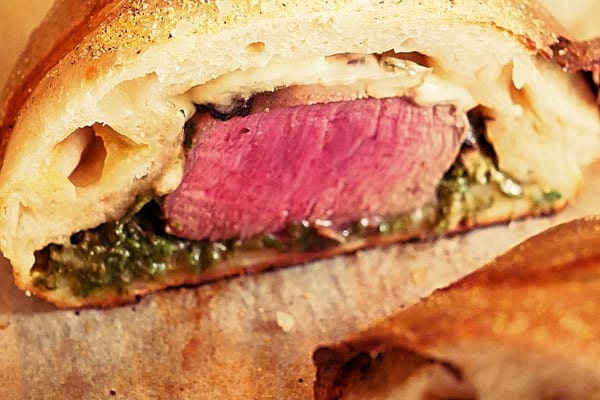
🍞 Baking Blunders
The final result is where it all comes together—or falls apart.
1. Flat Loaf or No Oven Spring
Possible Causes:
Overproofed dough
Weak gluten development
Oven or Dutch oven not hot enough
Fixes:
Do the “poke test” before baking: dough should slowly spring back.
Strengthen dough with extra stretch and folds.
Preheat your oven (and Dutch oven if using) for at least 45 minutes at full heat. I do recommend a Dutch oven for baking, you will get a much better crust and bubbles, and the heat is more stable.
2. Gummy or Underbaked Interior
Possible Causes:
Underbaking
Slicing too soon
Too much water or immature starter
Fixes:
Bake longer with the lid off to dry out the crumb.
Let the loaf cool completely before slicing.
Try a slightly lower hydration dough until you get the hang of shaping and baking.
3. Crust Is Too Thick or Hard
Fixes:
Add steam to the oven for the first 15 minutes. If using a Dutch oven, I throw in a cup of ice with the loaf. This creates plenty of steam in the first covered bake.
Bake at slightly lower temps or cover the loaf for longer.
Try brushing with olive oil or butter after baking to soften crust.
📝 Final Tips for Sourdough Success
Track your process: Keep notes of flour types, hydration, proofing times, and temperatures.
Get hands-on: Touch the dough often during bulk ferment to learn its feel.
Be patient: Starters and doughs follow nature’s pace, not yours. Weather plays a big part in how fast a dough proofs, make your fridge your friend in the hotter months.
Practice makes better: Even “failed” loaves can taste delicious toasted or repurposed.
With each bake, you'll learn a little more—and your sourdough will thank you for it. Got a specific problem you’re facing? Reach out on socials, there’s always a fix! 👩🍳🍞
Join the Lazy Sourdough Bakery online course
It is self managed, do it in your own time.
More from Thermomix and Cooking Tips



Tenina Holder
Tenina Holder is a wife, mother of five and grandmother of nine, who started cooking in the olden days before Thermomix was even a thing.
Tenina has become the premium go to source for all Thermomix expertise and of course fresh and easy recipes that work. Her cooking classes and foodie trips are sold out in literally hours, her cookbooks appear on the Australian best seller lists and her social reach is in the millions. Her Insider Club is the most fun you can have with a Thermomix and you really should join her! She believes chocolate, butter and salt are health foods. Her food positivity mantra is, eat everything, just not all at once!