Milk Kefir

Videos
Course Only Video
Course Only Video
Course Only Video

A Beginner-Friendly Guide to Creamy, Probiotic-Rich Milk Kefir
Why Kefir is So Good for You
Kefir is one of the most probiotic-rich foods you can make at home. It contains a unique combination of beneficial bacteria and yeasts that work together to support gut health, improve digestion, and boost immunity. Regular consumption has been linked to better nutrient absorption, reduced inflammation, and a more balanced gut microbiome. We have created a lot of recipes to use the kefir once you have made it: I personally don’t enjoy drinking it straight, I think it is an acquired taste. Having said that, you may love it.
What About Lactose?
Many people who struggle with lactose intolerance find they can enjoy milk kefir without issue. That’s because during the fermentation process, the kefir grains feed on the lactose (the natural sugar in milk), converting it into lactic acid. This process significantly reduces, often almost eliminates the lactose content. The longer the fermentation, the less lactose remains, making kefir a naturally lower-lactose or even lactose-free dairy option that’s gentle on digestion.
Tips For Making Milk Kefir
Use whole-fat animal milk in making kefir.
If you’re looking for a non-dairy option, try making it with coconut milk. You must begin with fully activated milk kefir grains.
Avoid using ultra-high temperature (UHT) pasteurised milk.
Do not use lactose free milk for kefir making. Mammal milk is pretty much the standard go to for kefir. Goat, cow, camel (!!) or human.
Store the jar at room temperature no higher than 22°C. Once I have made the kefir, and have strained it, I keep it in the fridge.
Choose a glass jar as the grains can become weakened by exposure to metal.
Consider this: There are 500 billion probiotics per cup (250ml) of kefir, whereas a store bought probiotic supplement vary from 10-100 billion probiotics per capsule depending on how expensive the product.
If you are lactose intolerant (lacking the enzyme lactase in your gut) the process of fermenting kefir, breaks down the lactose and will make it tolerable as an alternative to normal milk or milk products. The good bacteria in kefir also breaks down the casein in milk products. Essentially because of the fermentation process, it is 'pre-digesting' the food for you and make it easier on the human body.
10 Delicious & Healthy Ways to Use Kefir
Kefir Smoothies & Shakes – Blend probiotic-rich kefir with berries, banana, and a drizzle of honey for a gut-healthy breakfast or snack.
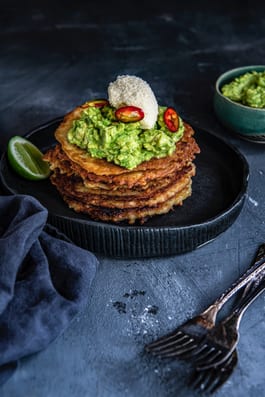
Kefir Pancakes & Waffles – Swap buttermilk for kefir to create extra fluffy pancakes and waffles with a subtle tang.
Kefir Salad Dressing – Whisk kefir with lemon juice, extra virgin olive oil, garlic, and fresh herbs for a creamy, gut-friendly dressing.
Kefir Overnight Oats – Soak rolled oats in kefir with chia seeds overnight, then top with seasonal fruit and nuts for a probiotic-packed start to the day.
Kefir in Soup – Stir chilled kefir into summer soups like beetroot borscht or gazpacho for creaminess and added gut health benefits.
Kefir Marinade for Meat & Fish – Use kefir to tenderise chicken, lamb, or fish before grilling or roasting for juicy, flavourful results.
Kefir Quick Breads & Muffins – Replace milk or water in banana bread, muffins, or scones with kefir for extra moisture, nutrition, and improved digestibility.
Kefir Ice Cream or Frozen Yogurt – Churn kefir with fruit purée and honey for a tangy, probiotic-rich frozen dessert.
Kefir Sauces & Dips – Combine kefir with tahini, garlic, lemon, and herbs for a versatile, gut-friendly dip or sauce.
Kefir Flatbreads & Naan – Make soft, flavourful flatbreads or naan using kefir for natural fermentation and improved texture.

Need
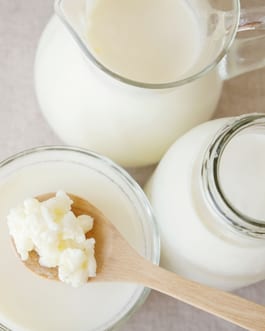
- 2-3 Tablespoons milk kefir grains (see note)
- 1 Litre whole milk BUY
Do
- 1
There couldn't be anything easier than creating kefir. There are a few important notes to follow. Sterilise the jar you will use and make sure it is cold before proceeding.
- 2
Add the milk and the grains to the jar and stir quite vigorously.
- 3
Cover with something breathable like a coffee filter or baking paper and secure with an elastic band. Leave on the kitchen counter for at least 48 hours. Stir it if you wish, it is good to see what is happening.
- 4
Strain the milk from the grains through a sieve and either make another batch or return the grains to your keeping jar, cover with milk and refrigerate.
- 5
If you wish to ferment further, leave the jars or bottles of reserved kefir on the kitchen counter for up to another 2-3 days. It will develop a mild fizziness at this point.
- 6
Refrigerate and use in recipes or add to your diet as directed. The kefir will keep in the fridge for up to 12 months without spoiling.
This recipe can be seen if you sign up for the related course. Join the course to get access!
Gut Instinct Protocol: The Power of Fermented and Cultured Foods

Tenina Holder is a wife, mother of five and grandmother of nine, who started cooking in the olden days before Thermomix was even a thing.
Tenina has become the premium go to source for all Thermomix expertise and of course fresh and easy recipes that work. Her cooking classes and foodie trips are sold out in literally hours, her cookbooks appear on the Australian best seller lists and her social reach is in the millions. Her Insider Club is the most fun you can have with a Thermomix and you really should join her! She believes chocolate, butter and salt are health foods. Her food positivity mantra is, eat everything, just not all at once!