

Welcome to the Gut Instinct Protocol!
Fermentation is an ancient craft that turns simple ingredients into flavourful, gut-friendly foods packed with probiotics, enzymes, and nutrients. In the Gut Instinct Protocol, you'll learn the art and science of fermentation, giving you the confidence to create delicious, homemade ferments that support digestion, boost immunity, and elevate your culinary skills.
What You'll Make:
Throughout the following weeks, you'll master a variety of fermented and cultured foods, including:
Vegetables & Pickles – Sauerkraut, kimchi, lacto-fermented pickles, vinegar pickles
Dairy & Plant-Based Alternatives – Yoghurt, kefir, cultured butter, cheese and dairy-free cheese and yoghurt
Breads & Grains – Sourdough bread, fermented porridge, pancakes, dosa, fermented rice pancakes
Beverages Kefir, kvass, ginger beer, jamu, naturally fermented fruit drinks and more
Condiments – Fermented hot sauce, mustard, apple cider vinegar, zhug and recipes to use them
By the end of Gut Instinct Protocol, you'll have the knowledge to safely ferment and culture at home, troubleshoot common challenges, and enjoy the rewards of naturally cultured foods. Get ready to trust your gut and start fermenting for better health!
There is no rush on any of these processes. This course has taken me well over a year to create and complete and I am still learning. You won't get it ALL straight away. Persist and re read and ask questions and do research of your own until you have confidence. Learning these skills is a slow, steady build; there’s no prize for rushing here, so give yourself permission to take the time it needs, trust the process, and let confidence come naturally with each ferment, fizz, and small win along the way.
A ferment a day, keeps the doctor away. I have been endeavouring to have something fermented in my daily intake and I have to say, I am feeling well for an old granny! Embrace the power you have to increase your wellbeing with the knowledge and recipes in this course. Please tell me about your wins. I look forward to hearing from you.
Good luck
Tenina
Get access to the Gut Instinct Protocol: The Power of Fermented and Cultured Foods course
Access the course
Already purchased this course? Login here.
Fermentation is a natural process where tiny but mighty microorganisms; yeast and bacteria work their magic, transforming sugars and starches into alcohol or acids. These natural by-products not only preserve food but also create that signature tangy, complex flavor we love in fermented foods.
But the benefits go beyond taste!
Fermentation encourages the growth of probiotics, those friendly gut bacteria that support digestion, boost immunity, clear skin, and even promote heart health. Adding fermented foods to your diet isn’t just delicious, it’s a simple, natural way to nourish your body from the inside out.
Fermented foods have been associated with several positive health effects, including improved digestive health, stronger immunity, and increased availability of beneficial nutrients as well as natural weight loss after you have balanced your gut.
Fermented foods are considered safe for most people. However, those undergoing chemotherapy, organ transplant recipients, or individuals with significantly weakened immune systems should consult their healthcare provider before consuming live fermented foods. Pregnant women should also be careful and potentially avoid home ferments other than sourdough or kefir/yoghurt etc.
Important Perspective
For most generally healthy individuals, fermented foods can be introduced safely and gradually.
However:
Start small
Introduce one ferment at a time
Monitor your response
Avoid large portions initially
A tablespoon of sauerkraut is very different from a full bowl.
It’s also important to note that not all fermented foods are created equal.
If fermenting at home, make sure you follow recipes closely for safety purposes. Incorrect temperatures, fermentation times, or unsterile equipment can cause the food to spoil, making it unsafe to eat. If you are at all in doubt, whether because it looks wrong, or smells wrong, do not eat it.
Fermented foods are the big umbrella, they’re made when natural microbes (like bacteria, yeasts, or moulds) get to work on sugars or starches and transform them into something new. Think bread, beer, wine, cheese, sauerkraut, miso… fermentation is the magic.
Cultured foods, on the other hand, are a little more domesticated. Instead of leaving the wild microbes to do their thing, we add a specific starter culture (like kefir grains, a SCOBY, or a bread or yoghurt starter). This makes the process more predictable, repeatable, and safe, and gives us a consistent end result.
So: all cultured foods are fermented, but not all fermented foods are cultured. Fermented = the wild party. Cultured = the organised dinner party with an invite list.
In the Gut Instinct Protocol, we’re keeping things simple, safe, and delicious. You won’t need to bury anything for weeks and hope for the best, we’re sticking to easy, approachable ferments that don’t take months to develop or require specialist equipment. While I love a good miso or soy sauce as much as the next foodie, those long, complex ferments are best left to the experts. This course is all about confidence, flavour, and results you can enjoy quickly and safely.
Troubleshooting:
Fermentation is powerful. It works best when introduced respectfully and progressively.
If someone has a diagnosed condition or persistent symptoms, personalised medical advice is always recommended before making significant dietary changes.some individuals may experience side effects.
Due to the high probiotic content of fermented foods, the most common side effect is an initial and temporary increase in bloating.
These symptoms may be worse after consuming fibre-rich fermented foods, such as kimchi and sauerkraut. The side effects after eating these for the first time should ease and entirely disappear as your gut heals.
The Science of Health and Fermentation:
Fermented foods offer a wide range of clinically supported health benefits, particularly when consumed regularly as part of a diverse diet. These include:
Increased gut microbial diversity; Live cultures such as Lactobacillus and Bifidobacterium help enrich the microbiome, a key factor associated with improved digestive and immune health.
Strengthened intestinal barrier function; Fermentation produces short-chain fatty acids (SCFAs) like butyrate, which nourish colon cells and help maintain the integrity of the gut lining.
Reduced systemic inflammation; Regular intake of fermented foods has been shown to lower inflammatory markers, including C-reactive protein (CRP).
Improved nutrient absorption; Fermentation reduces antinutrients such as phytates, increasing bioavailability of minerals like iron, zinc and magnesium.
Enhanced vitamin content; Certain fermented foods contain increased levels of B vitamins (including folate and sometimes B12) and vitamin K2.
Better lactose digestion; Live cultures help break down lactose, making fermented dairy easier to tolerate for many individuals.
Improved metabolic markers; SCFAs and microbial modulation are associated with improved insulin sensitivity and metabolic balance.
Immune system modulation; Fermented foods interact with gut-associated lymphoid tissue (GALT), supporting more regulated immune responses.
Positive effects on mood and stress resilience; Through the gut–brain axis, a balanced microbiome may contribute to improved mood regulation and reduced stress-related symptoms.
Incorporating a variety of traditionally fermented foods several times per week can therefore play a meaningful role in supporting digestive health, immune resilience, metabolic function and overall wellbeing.
Wait, I Think Something Went Wrong
From time to time you may notice a film on top of your brine, pickles, yoghurts etc. Don’t panic: As long as it’s not touching your submerged veg, it’s fine. Skim it off. If mould does make it onto your fermenting produce, that’s another story. You should start over. In general, when in doubt, throw it out.
You can’t control the growth of wild yeast and there is a chance that with the yeast, some harmful bacteria are growing, too.
If you are pregnant or your immune system is compromised in any way, you should not use homemade yeast unless you are using it for bread which clearly has been subjected to a high heat.
Before we begin
Week One
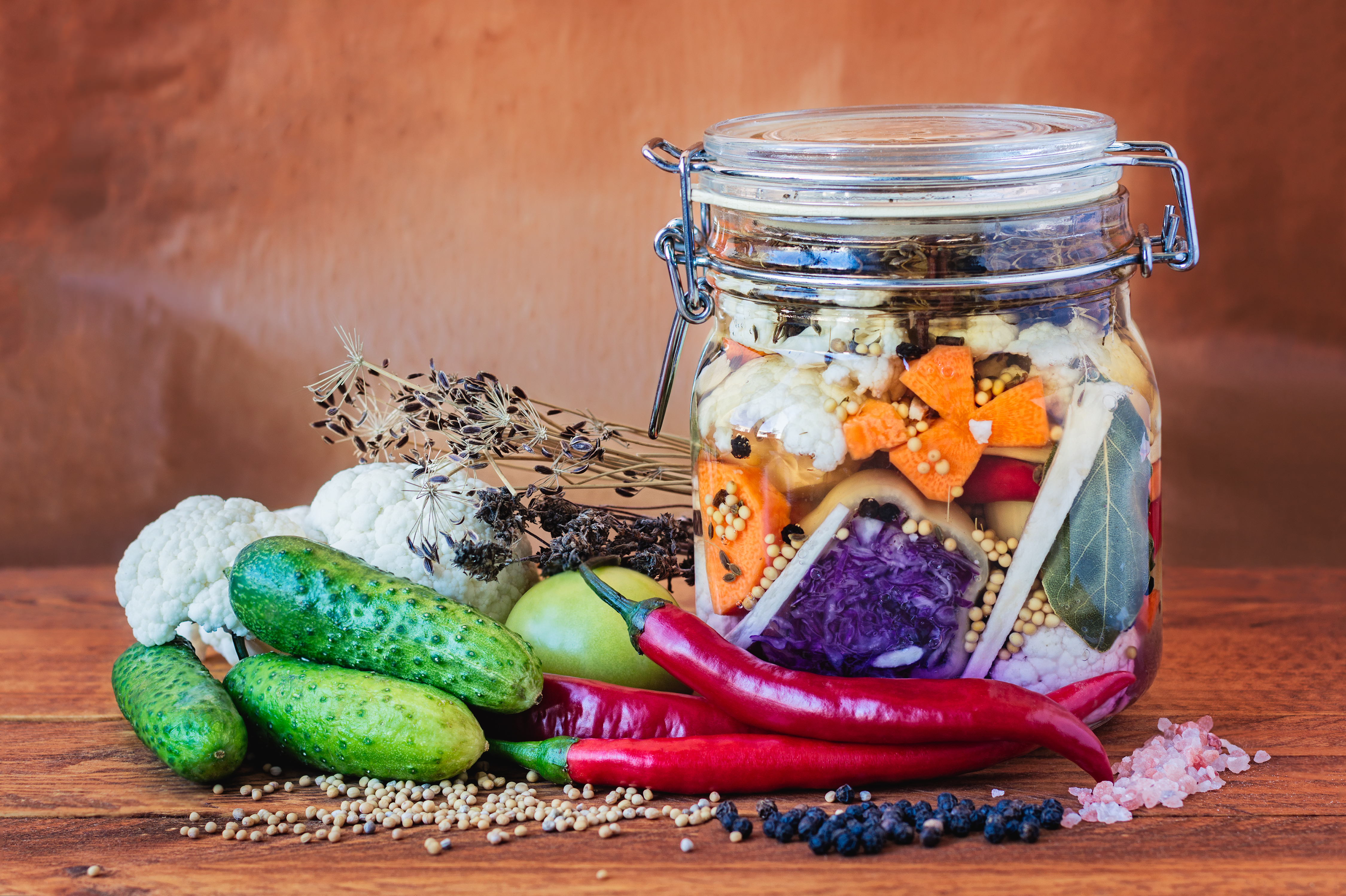
Please read all of the following material at your leisure. If you have any questions, by all means ask them in the courses facebook group, which hopefully you have already joined. If not, head over there now and introduce yourself!
Before we dive into the world of fermentation, let’s cover a few basics to set you up for success. Fermentation is both an art and a science, relying on beneficial bacteria and yeasts to transform ingredients into probiotic-rich, flavourful foods and drinks. To get the best results, you’ll need the right equipment; think glass jars, breathable covers, and non-reactive utensils, as well as quality ingredients, like unchlorinated water, organic produce, and the right starter cultures. Cleanliness is key, but don’t stress about sterilisation, fermentation thrives in a well-balanced environment, not a sterile one. Most importantly, patience and observation are your best tools. As you experiment, you’ll learn to recognise the sights, smells, and tastes of a healthy ferment, building confidence with every batch.
The other thing I really want to point out is that this course is a very basic introduction to easy fermentation in a home kitchen. I am not going to go into making long fermentations with things like soy sauce or miso, or even kombucha or foods that require some specialist equipment or knowledge and caution, before you go all Erin Patterson on me in error.
Before you start fermenting, here are a few essential tasks to ensure a smooth process:
Gather Your Equipment – Stock up on glass jars, fermentation weights, breathable covers (like muslin or coffee filters), nut milk bags, non-reactive utensils (wood, silicone, or stainless steel), and strainers if needed.
Choose Quality Ingredients – Use filtered or unchlorinated water, organic fruits and vegetables when possible, and high-quality salt (our favourite pink salt flakes are best for vegetable ferments).
Clean Your Tools & Workspace – Wash jars, utensils, and surfaces thoroughly with hot, soapy water. No need for sterilisation unless specified in the recipe, but cleanliness helps prevent unwanted bacteria from interfering.
Understand Your Starter Cultures – If using a starter (like a sourdough starter, whey, kefir grains, or a SCOBY), ensure it’s active and healthy before beginning.
Create the Right Environment – Fermentation works best at stable room temperatures (ideally between 18–24°C/65–75°F). Avoid direct sunlight and extreme temperature fluctuations.
Learn the Signs of a Good Ferment – Bubbles, a tangy aroma, and slight sourness are all indicators that things are going well. Mould, off-putting odours, or slimy textures may signal an issue.
Start Simple – Begin with easy ferments like sauerkraut, kefir, or a basic sourdough starter before moving on to more complex projects. We have included the sourdough starter and basic Lazy Sourdough loaf with videos in this course. For a more in depth and comprehensive sourdough knowledge, please join the Lazy Sourdough Course, you will be amazed at how much this will help you understand fermentation.
Once you’ve got these basics covered, you’re ready to start fermenting with confidence!
-
EBOOKDownload the Gut Instinct Protocol ebook
-
MAKE RECIPEGet ready to pickle some veggies with this easy brine tutorial!
-
WATCH VIDEOSee why you should add Fermented foods to your daily intake
-
WATCH VIDEOSome quick answers to common questions
Culture Club
Foundations, ferments, and confidence-building without fear
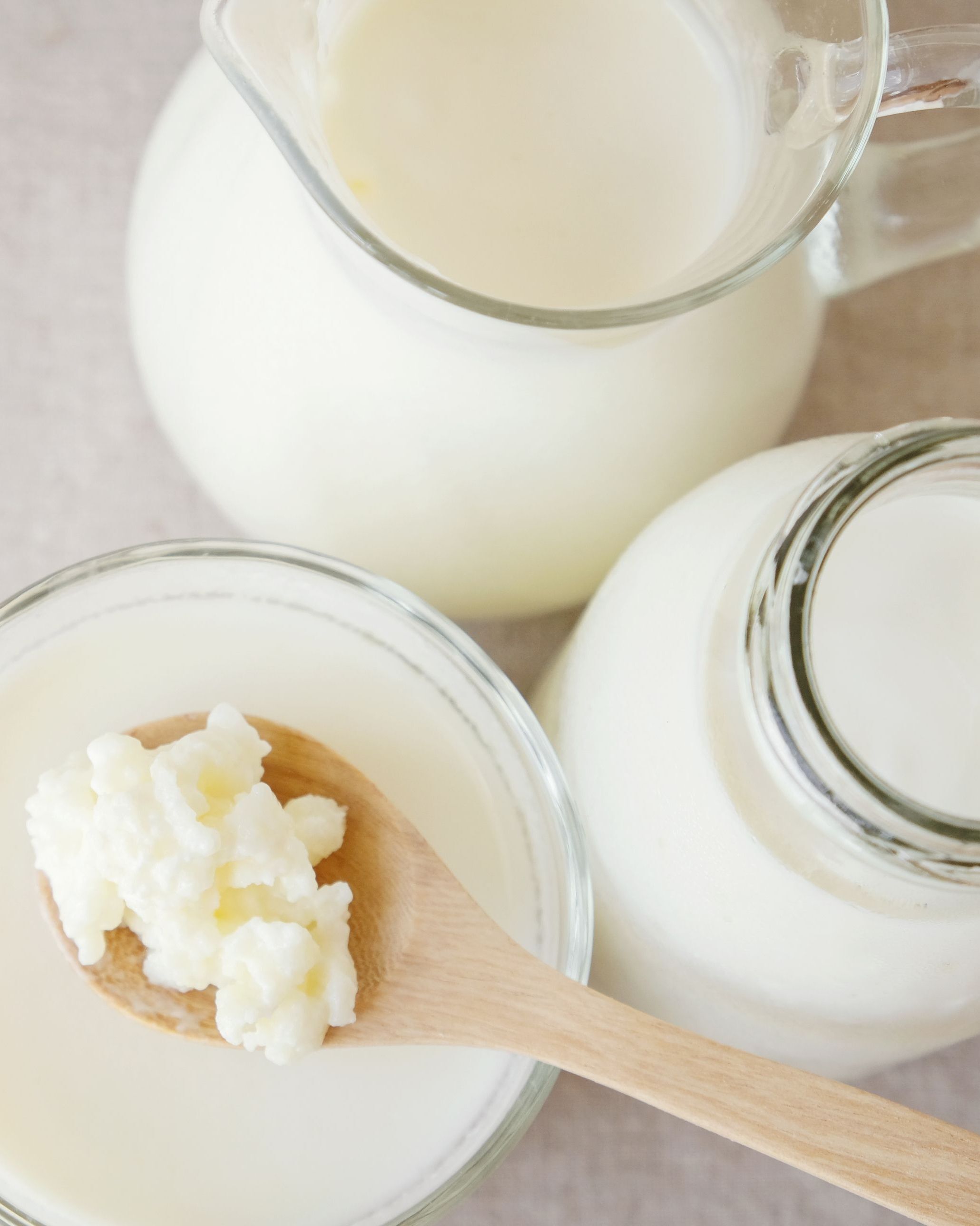
Every great ferment starts with a little bit of weird science in your own kitchen. Think of this section as your starter kit for creating life in jars, literally. We’re talking sourdough that burps and bubbles like it’s alive (because it is), milk kefir 'seeds' that create all sorts of amazing options in milk, and salty brines that kick off whole colonies of good bacteria. Don’t panic, this is the fun part. And if things don’t go exactly to plan the first time, that’s completely normal (even the pros have had a few science-experiment-gone-wrong moments). Once you’ve nailed these simple beginnings, you’ll have your own little fermentation pets ready to transform into delicious, gut-loving creations.
The basic first brine recipe above is also a starter of sorts.
-
MAKE RECIPECreate a sourdough starter
-
WATCH VIDEOSee how easy it is to create a starter
-
WATCH VIDEONurture your starter
-
WATCH VIDEOHow do you know if you need to feed your starter?
-
READ ARTICLETroubleshooting Sourdough article
-
MAKE RECIPEGet your first batch of Kefir growing.
-
WATCH VIDEOHow easy is this?
-
MAKE RECIPEMake a natural yeast water
-
MAKE RECIPEMake a Ginger Bug
-
WATCH VIDEOWatch the Ginger Bug video
-
MAKE RECIPEMake a batch of Rejuvelac
-
WATCH VIDEOWatch the video
Grain Expectations
Wild yeast, patience, and glorious carbs
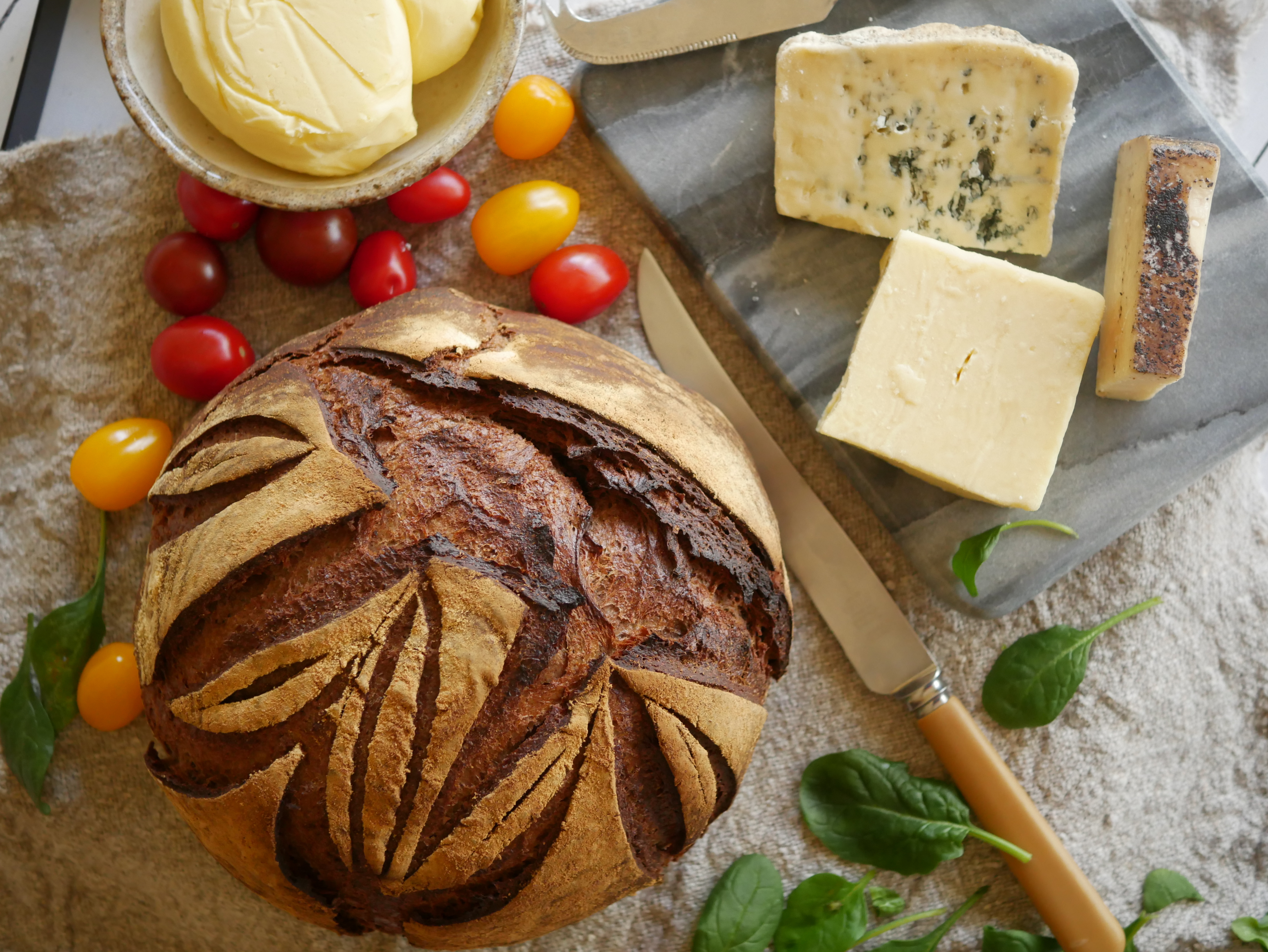
Bread and grains are where fermentation really shows off! It’s not just about bubbles in a jar, it’s about flavour, texture, and making everyday staples so much better for your body. In this section we’ll dive into the magic of sourdough, the ease of overnight oats, and the tangy delight of fermented rice pancakes and dosas. We’ll even play with fruit yeast water to bake breads that rise from nothing more than the wild yeast hiding in your fruit bowl or flower garden. It’s comforting, it’s creative, and it’s proof (literally) that organic fruit/grains + time = gut-loving goodness.
-
MAKE RECIPEMake your first loaf
-
WATCH VIDEOWatch the process
-
MAKE RECIPEMake a boujee fancy cafe style sourdough loaf
-
MAKE RECIPEMake a sourdough pizza
-
MAKE RECIPEMake Fermented Dosa Pancakes
-
MAKE RECIPEMake Fermented Rice Pancake Batter
-
WATCH VIDEOWatch how to make rice pancakes/noodles
-
MAKE RECIPEMake Cheung Fun
-
WATCH VIDEOWatch us make Cheung Fun
-
MAKE RECIPEMake a batch of Milk Kefir Overnight Oats
-
MAKE RECIPEMake a batch of easy waffles
-
MAKE RECIPEMake a Fermented Porridge
-
MAKE RECIPEMake Fermented Pikelets
-
WATCH VIDEOThe Focaccia Folding Technique
-
MAKE RECIPEMake a Stuffed Focaccia
-
MAKE RECIPEMake a Fruit Yeast Water No Knead Loaf
-
MAKE RECIPEMake a batch of kefir crumpets
-
WATCH VIDEOUse your Discard for....
-
MAKE RECIPEDiscard Cinnamon Toast Crunch
-
MAKE RECIPEMake Discard Pancakes
-
WATCH VIDEOEasy Peasy Crackers, no waste!
-
MAKE RECIPEUse your discard for the best ever crackers!
Curd Nerds
Cultured dairy, enzymes, and creamy alchemy
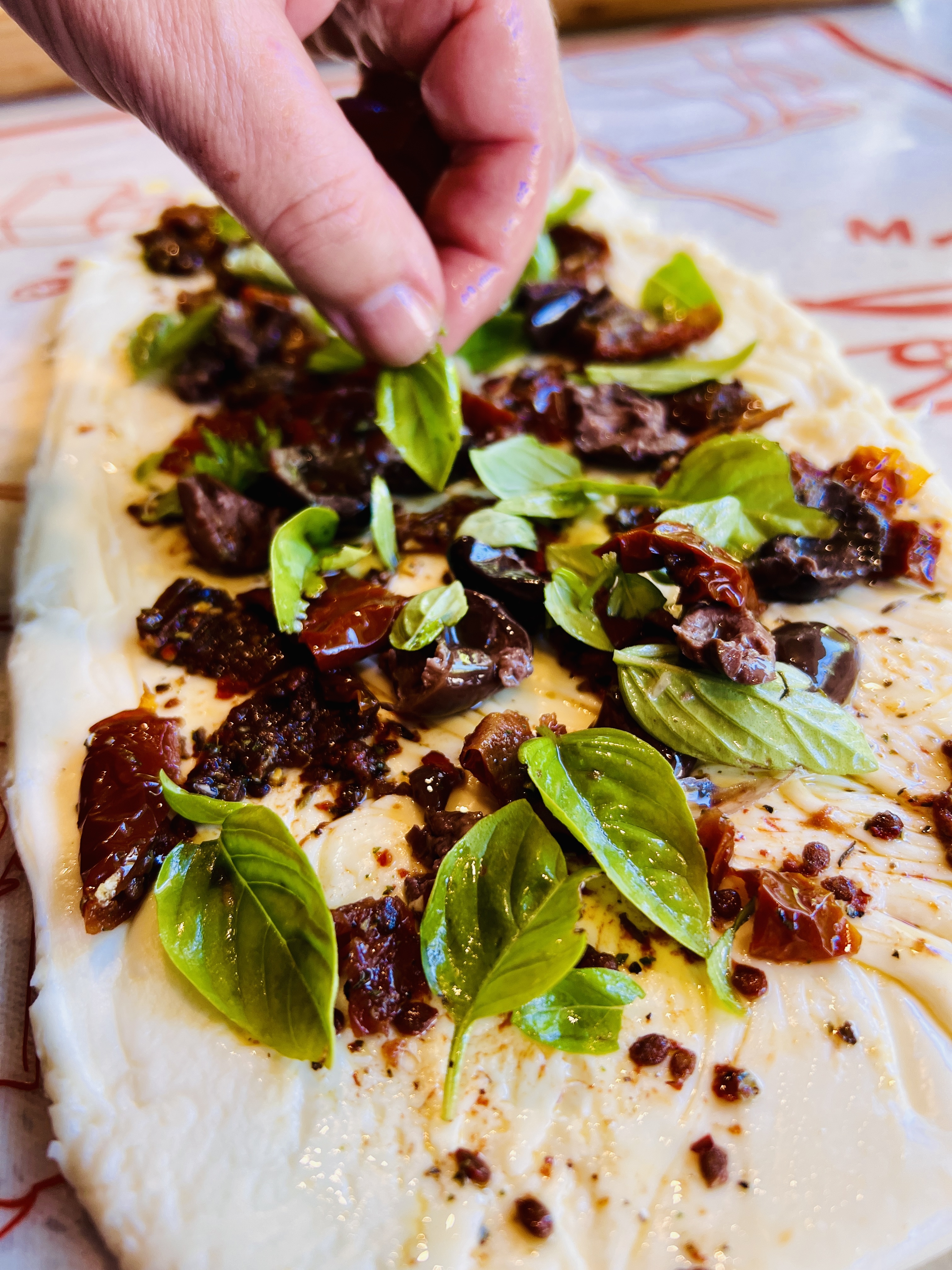
Dairy, but Make It Cultured
In this section, we’re transforming everyday dairy into gut-loving goodness; think creamy yoghurts, tangy labneh, and probiotic-rich kefir. Fermenting dairy is one of the easiest and most satisfying ways to dip your toe (or spoon!) into the world of cultured foods. It’s quick, safe, and the results are deliciously versatile. Whether you’re swirling yoghurt into breakfast bowls or straining it for a dreamy dip, these recipes will become your go-to staples. No fuss, no fear, just live cultures doing their thing and your gut loving you for it.
We do recommend the use of Bannister Downs Milk and Cream for any of these recipes. If you are not in WA (which is more than likely) please ensure you use the best product you can find for these recipes, and specifically the starter cultures. You will definitely get better results.
-
MAKE RECIPEMake the Easiest Fermented Dairy possible
-
MAKE RECIPEMake a batch of milk kefir
-
MAKE RECIPEMake milk kefir cream cheese
-
WATCH VIDEOWatch how easy it is to make milk kefir
-
WATCH VIDEOLook after your kefir seeds
-
MAKE RECIPEMilk Kefir Overnight Oats
-
WATCH VIDEOWatch how to make kefir cream cheese
-
MAKE RECIPEMake a Kefir Iced Latte
-
WATCH VIDEOWatch our Easy Kefir Latte
-
MAKE RECIPEMake a milk kefir panna cotta
-
MAKE RECIPEMake Kefir based ice cream
-
MAKE RECIPEMake rejuvelac yoghurt
-
MAKE RECIPEMake Mozzarella
-
WATCH VIDEOWatch the mozzarella video
-
MAKE RECIPEMake the Creamy Herb and Garlic Kefir Cheese
-
WATCH VIDEOWatch our Creamy Herb and Garlic Kefir Cheese recipe
-
MAKE RECIPEMake Thermomix Clotted Cream
-
MAKE RECIPEMake Fig Cheese
-
MAKE RECIPEMake your own Pepper Jack Cheese
-
WATCH VIDEOWatch us make Pepper Jack Cheese
Brew Ha Ha
Sip-able ferments, fizz, and gut-happy hydration
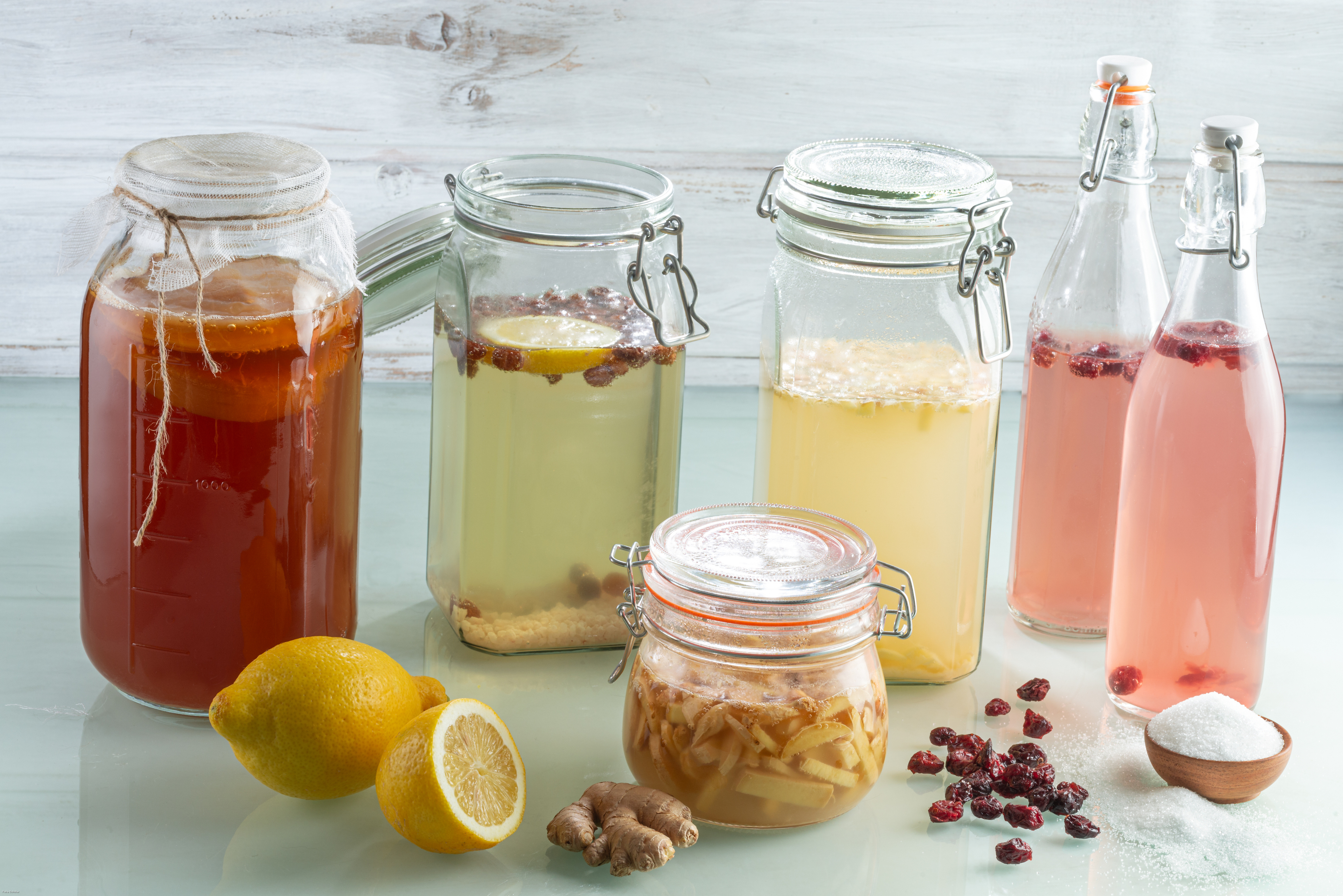
Welcome to the drinks section of Gut Instinct! Fermentation isn't just for food—it transforms simple ingredients into delicious, probiotic-rich beverages that are as refreshing as they are beneficial for gut health. In this section, we’ll explore a range of fermented drinks you can easily make at home, from bubbly and tangy drinking vinegars to nourishing dairy and coconut kefir or vitamin C rich Cheong syrup. We’ll also dive into lacto-fermented fruit sodas, traditional shrubs, sourdough kvass, and even homemade coke Whether you’re looking for a daily gut-friendly tonic or a naturally fizzy alternative to store-bought sodas, these drinks will add flavour and function to your routine.
Kombucha (or booch, if you’re on friendly terms) is one of the gateway ferments that got a lot of people excited about gut health in the first place. It’s lightly fizzy, tangy-sweet, and made by fermenting tea with a SCOBY, producing organic acids, trace probiotics, and compounds that can support digestion and microbial diversity. For many people, it’s a refreshing way to step away from sugary soft drinks while still feeling like you’re having a treat.
That said, Gut Instinct isn’t including a kombucha recipe, not because it isn’t worthwhile, but because it’s already everywhere. From beginner blogs to full-length books and supermarket starter kits, kombucha recipes are widely available and well covered elsewhere. Instead, the focus here is on ferments that are less talked about, more food-forward, and easier to weave into everyday meals, so you can build gut health right where it matters most: on your plate (or in your glass in this case!)
-
WATCH VIDEOWatch how easy it is make Cheong
-
MAKE RECIPEMake a Citrus Cheong
-
MAKE RECIPEMake a Ginger Bug
-
WATCH VIDEOWatch the Ginger Bug
-
MAKE RECIPEMake Ginger Beer
-
MAKE RECIPEMake our amazing lavender lemonade
-
WATCH VIDEOWatch the Lavender Lemonade Video
-
MAKE RECIPEMake a strawberry vanilla shrub
-
MAKE RECIPEMake a fermented cola
-
WATCH VIDEOFermented cola video
-
MAKE RECIPEMake a basic jamu jamu
-
WATCH VIDEOWatch the jamu jamu video
-
MAKE RECIPEMake a sourdough kvass
-
WATCH VIDEOWatch the Sourdough Kvass Probiotic Soda/Beer Video
-
WATCH VIDEOWatch us make Sourdough Cold Brew Coffee Soda
-
MAKE RECIPEMake the Sourdough Cold Brew Coffee Soda
-
WATCH VIDEOWatch us mix up the Lavender Tom Collins
-
MAKE RECIPEMake the Probiotic Lavender Collins
-
WATCH VIDEOWatch the Brewspresso Tonic
-
MAKE RECIPEMake your own version!
-
MAKE RECIPEProbiotic Tamarind Lemonade
-
MAKE RECIPEMake our Naturally Fizzy Minted Lemonade
-
MAKE RECIPEMake a fruity drinking vinegar
-
WATCH VIDEOWatch our Fig and Cinnamon Drinking Vinegar video
Seasoned to Ferment
Big flavour, small spoons, major impact
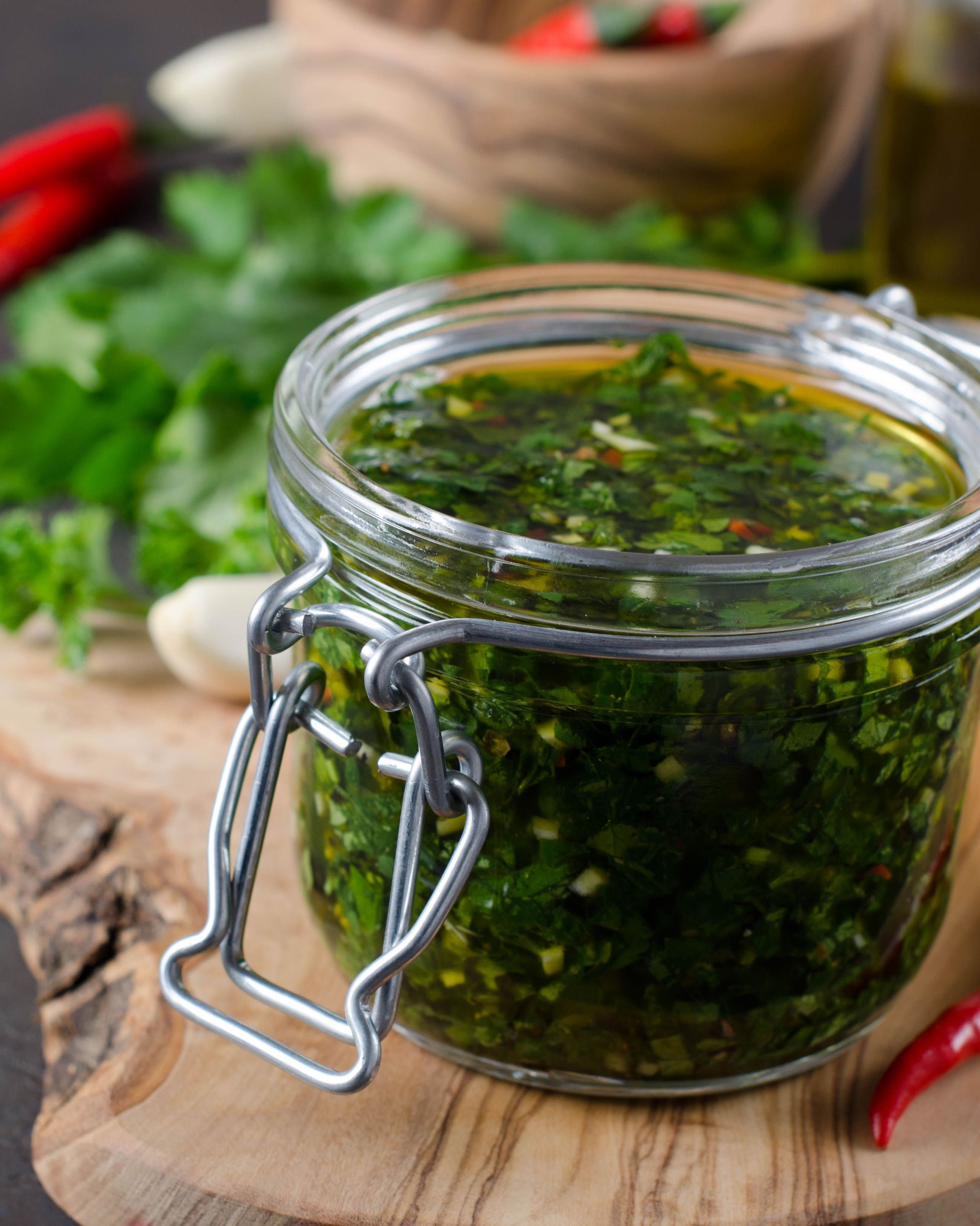
This is where good food becomes great. Condiments are the quiet achievers of the gut-health world, a spoonful here, a drizzle there, and suddenly a simple meal is doing heavy lifting for both flavour and digestion.
These recipes are designed to live in your fridge and be used often. Fermented chilli sauces, tangy dressings, savoury pastes and spoonable ferments that wake everything up. They add brightness, depth and that little “what is that?” factor, while delivering beneficial bacteria in the easiest possible way.
You don’t need to overhaul your meals to support your gut. Just add a condiment. A ferment a day keeps the doctor away, especially when it tastes this good.
-
MAKE RECIPEMake a fermented ketchup
-
MAKE RECIPEMake our chilli honey
-
WATCH VIDEOWatch the fermented chilli honey video
-
MAKE RECIPEMake pink pickled ginger
-
MAKE RECIPEUse your Pink Pickled Ginger here
-
MAKE RECIPEMake your own Apple Scrap Cider Vinegar
-
MAKE RECIPEMake your own Worcestershire Sauce
-
MAKE RECIPEMake a batch of confit garlic
-
WATCH VIDEOSee how easy it is to make Confit Garlic
-
MAKE RECIPEMake a batch of zhug
-
WATCH VIDEOWatch the Fermented Zhug recipe
-
MAKE RECIPEMake a batch of Fermented Zhug Butter
-
WATCH VIDEOWatch us make a batch of Zhug Butter
-
MAKE RECIPEUse your Zhug
-
MAKE RECIPEMake your own mustard
-
MAKE RECIPEMake your own Teriyaki Sauce
-
WATCH VIDEOWatch How Easy your own fermented Teriyaki can be
Crunch Culture
Brined, bright, and brilliantly alive
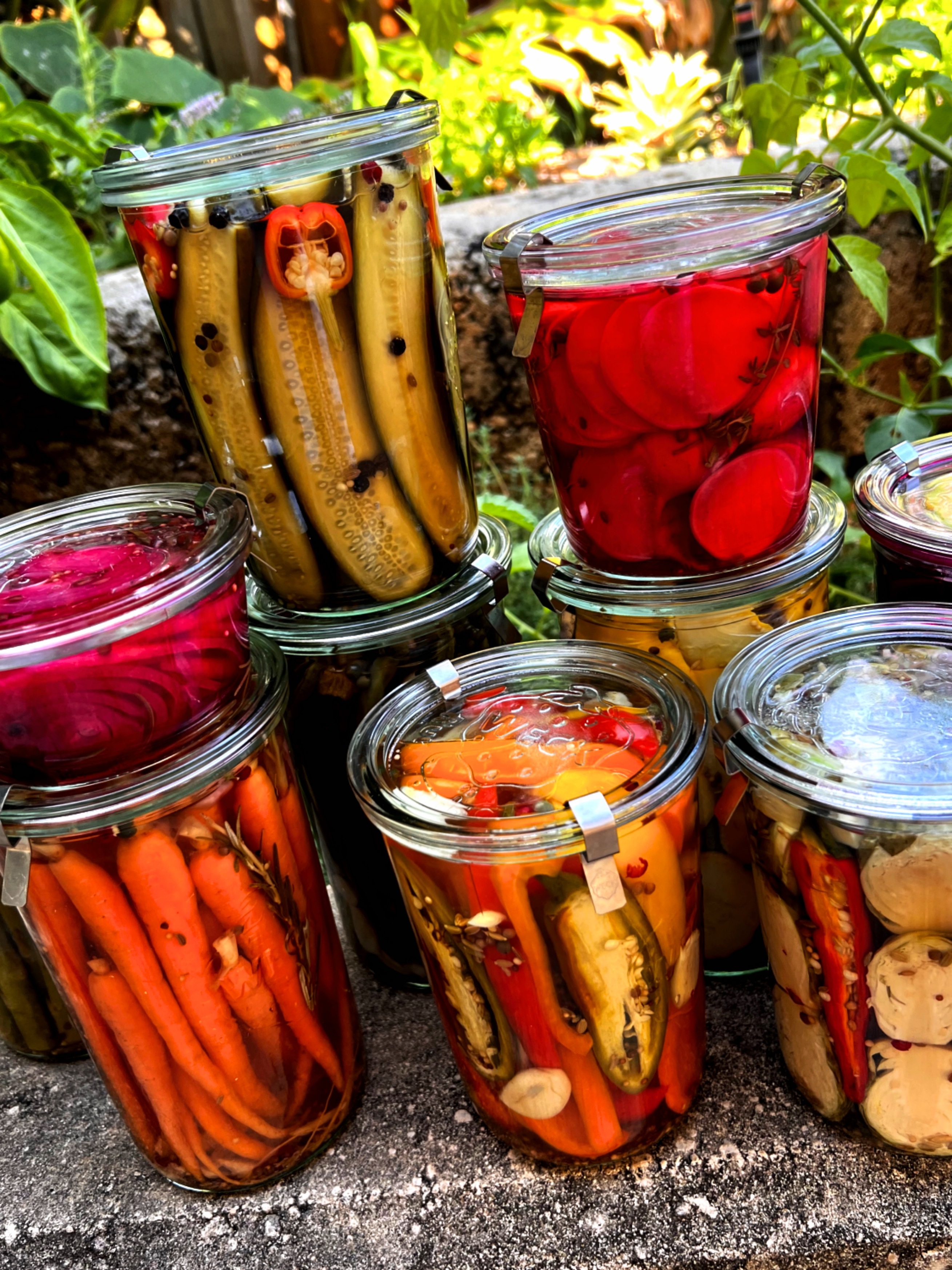
This chapter is where vegetables really come alive. Pickling and fermenting are the simplest ways to turn everyday veg into something vibrant, crunchy and quietly powerful for your gut. A carrot becomes a snack you crave, cabbage transforms into something you’ll add to everything, and suddenly there’s always a jar in the fridge doing good things while you get on with life.
These are not fussy recipes. They’re practical, forgiving and designed to fit into real kitchens and real routines. Some are quick pickles for instant gratification, others are slow ferments that reward a little patience — all of them packed with flavour and beneficial bacteria that your gut will genuinely thank you for.
Once you start fermenting vegetables, it’s hard to stop. A ferment a day keeps the doctor away — and makes dinner a whole lot more interesting.
-
MAKE RECIPEMake a batch of Kimchi
-
WATCH VIDEOWatch the kimchi video
-
MAKE RECIPEMake a kimchi pancake
-
WATCH VIDEOWatch the kimchi pancake video
-
MAKE RECIPEMake a batch of Lacto Fermented Pickles
-
MAKE RECIPEMake a batch of quick pickles
-
MAKE RECIPEMake a Ploughmans Pickle
-
MAKE RECIPEMake a leek-chi
-
WATCH VIDEOWatch the Leek-chi video
-
MAKE RECIPEMake pickled beetroot
-
WATCH VIDEOMake sure you Re-pickle! Watch the video.
-
MAKE RECIPEMake your own Sweet Mustard Pickles
-
MAKE RECIPEMake a Beginners Kraut with Pineapple
Ferment to Finish
Where everything comes together (and shows off)
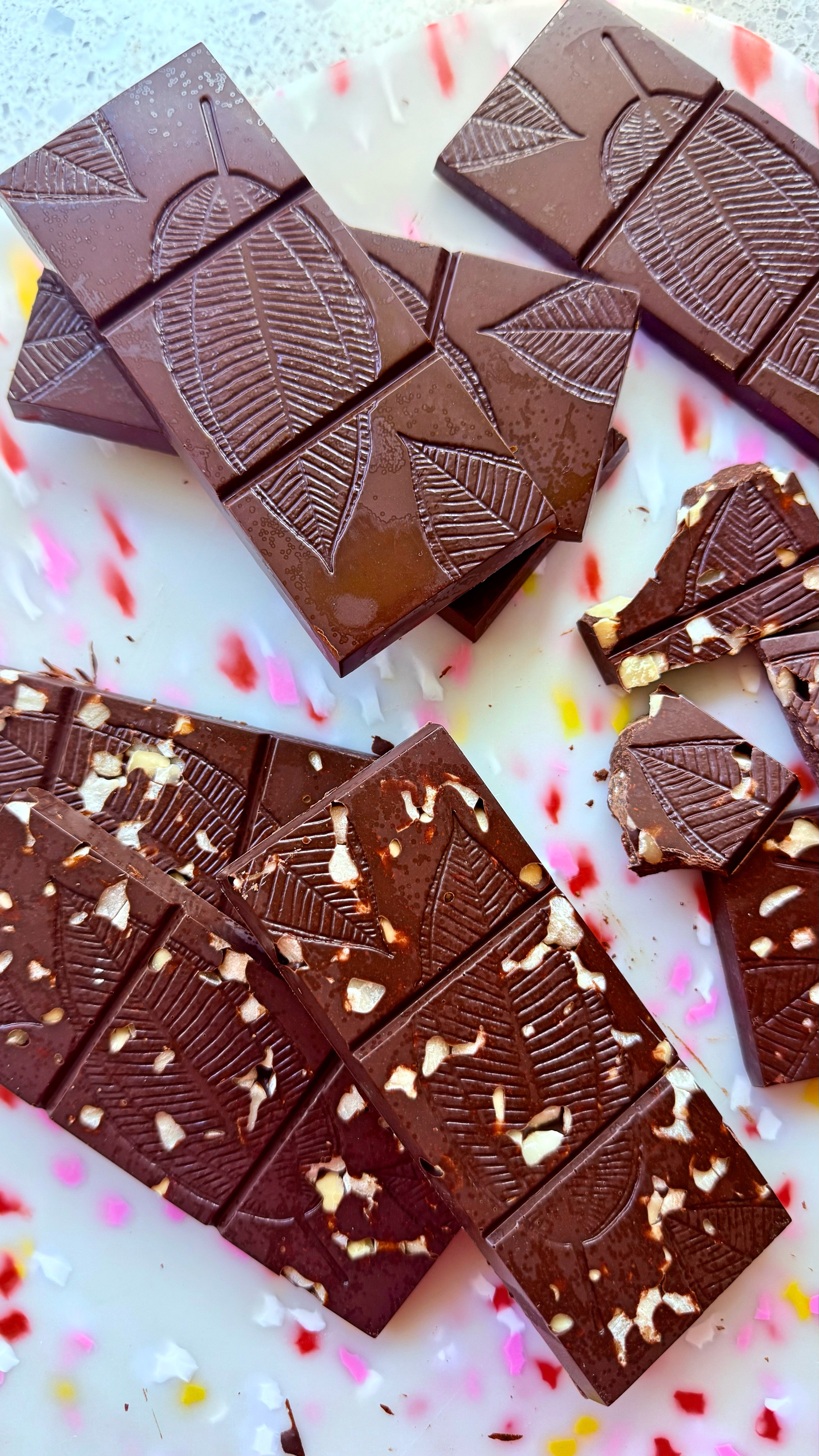
This is where it all comes together.
Every ferment you’ve made now steps out of the jar and onto the plate, woven into recipes that are practical, creative, and deeply satisfying. These dishes show you how to cook with your cultures, not around them, turning good bacteria into genuinely good food.
-
MAKE RECIPEMake your own chocolate bars
-
WATCH VIDEOWatch us make our own chocolate from scratch
-
MAKE RECIPEMake a batch of Sourdough Brownies
-
MAKE RECIPEMake Soy Marinated eggs
-
WATCH VIDEOWatch the soy marinated eggs video
-
MAKE RECIPEMake the Korean Stir Fried Pork with Leek-chi
-
WATCH VIDEOWatch the Korean Stir Fried Pork with Leek-chi
-
MAKE RECIPEMake the Roasted Cauliflower in Turmeric Kefir
-
MAKE RECIPEMake our Kimchi Lentil Soup
-
MAKE RECIPEMake a batch of Milk Kefir Ice Cream
-
MAKE RECIPEMake a batch of Fermented Chilli Honey Hot Ribs
-
MAKE RECIPEMake the most amazing fully fermented pizza of your life
-
WATCH VIDEOWatch us make the Fermented Pizza and drool
-
MAKE RECIPEMake our delicious Green Flatbread with Kefir Ranch Dressing
-
MAKE RECIPEMake a batch of Immunity Noodle Jars
-
MAKE RECIPEMake the best jacket potatoes EVER
-
MAKE RECIPECheese Toastie that's Gut Friendly? Yes!
-
WATCH VIDEOWatch us spatchcock and butter up this chook!
-
MAKE RECIPESpatchcock your own roast chook!
-
WATCH VIDEOWatch us have our cake and eat it too!
-
MAKE RECIPEMake the best chocolate vanilla cake ever
-
MAKE RECIPEMake our delicious salmon dinner
-
MAKE RECIPEMake maybe our fave recipe in this course
Congratulations

And just like that, you’ve made it.
If you’ve reached the end of the Gut Instinct protocol, take a moment to really let that sink in. You’ve shown curiosity, commitment, and a willingness to listen to your body in a deeper way. You’ve fermented, tasted, tweaked, and learned what your gut responds to best, and that’s no small thing. This isn’t the end, it’s the beginning of a more intuitive, confident relationship with food and fermentation. Trust your instincts (you’ve earned them), keep experimenting, and remember: your gut now has a voice, and you know how to hear it. Well done.